
Subtotal
$0.00
Shipping
$0
Taxes
$0
Total
$0.00
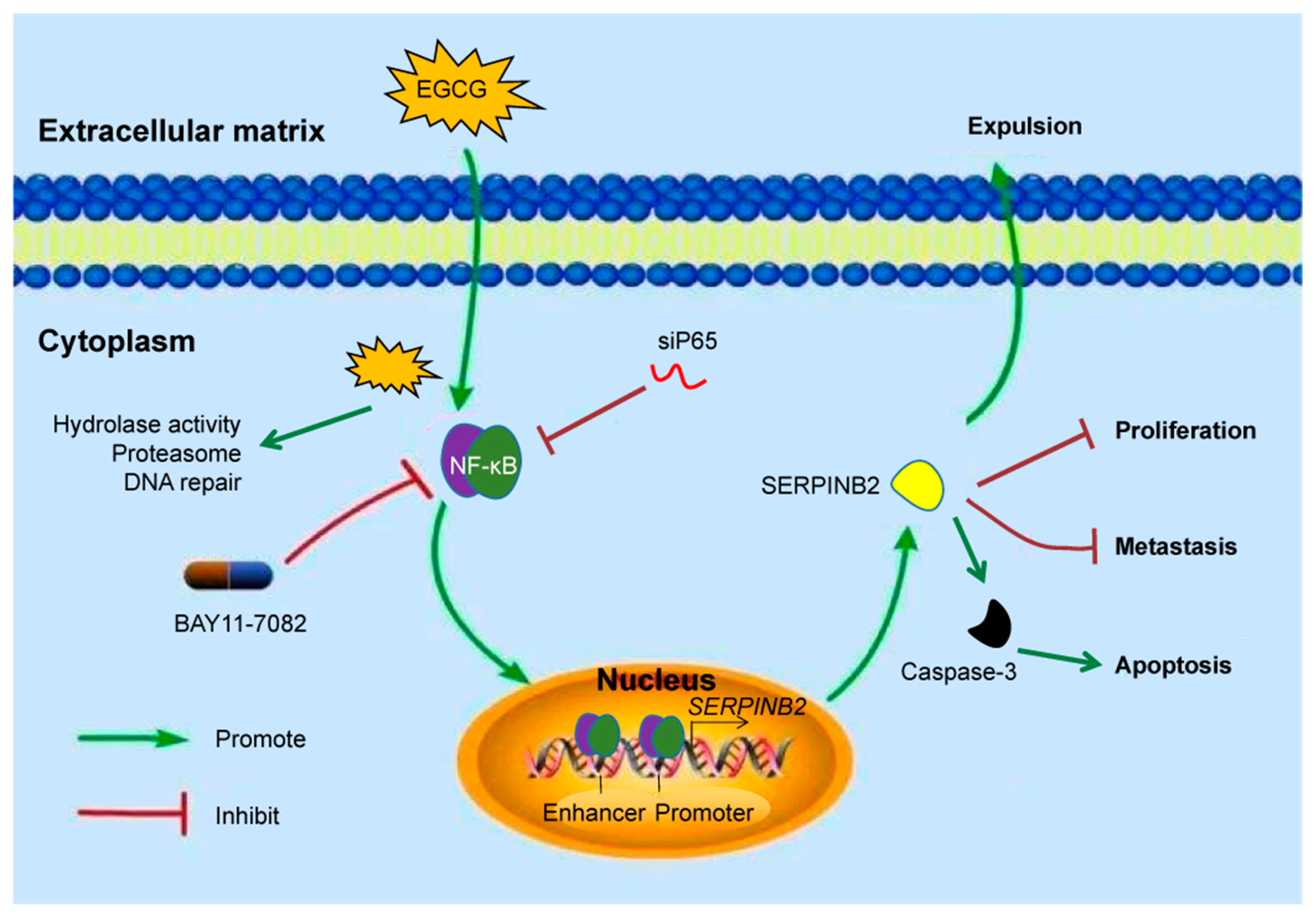
SerpinB2 is a protein being studied as a new approach to diabetes treatment, focusing on inflammation and cell protection rather than only lowering blood sugar. Early research suggests it may support insulin function, but it is still under clinical investigation. Key Takeaways SerpinB2 is a protein linked to inflammation and insulin response. It targets deeper disease processes rather than just blood sugar levels. Early studies show that insulin-producing cells are protected. It may reduce insulin dependence in some cases of type 2 diabetes. SerpinB2 is still in research and not yet an approved treatment.
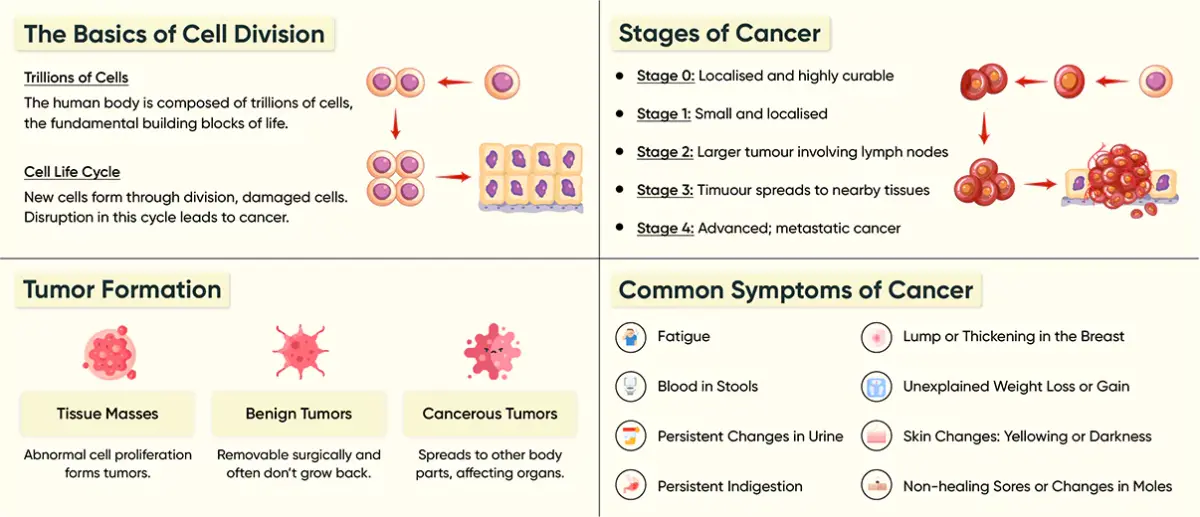
The human body is made up of trillions of cells. These cells are the “building blocks of life,” constituting the basic structural unit of any organism. New cells are formed when these cells divide and grow. Upon growing old or getting damaged, these cells die, and the new cells replace them. When this pattern of cell division gets disrupted, and when they start proliferating abnormally, cancer develops. The continuous division of these cells can form tissue masses, which become a tumor. These tumours are either benign or cancerous. If benign, the tumour can grow, but it does not spread and can be removed. After removal, a benign tumour might not grow back. However, if cancerous, the tumor can spread to other parts of the body. This is known as metastasis, where cancer can spread to other vital organs like lungs, brain, liver, etc., and become fatal.

Medication Safety Guide for Cancer Patients Cancer treatment is a complex process, and the safe and proper use of medication plays a vital role in recovery. Whether you are receiving chemotherapy, targeted therapy, or other oncology treatments, understanding how to use your medication correctly can improve treatment effectiveness and reduce unnecessary risks. This guide is designed to help patients and caregivers stay informed and use medications safely throughout the treatment journey.

Surgery is a key part of rectal cancer treatment, with options depending on the tumour’s size, location, and involvement of the sphincter. Modern approaches, including minimally invasive and robotic surgery, aim to remove the tumour while supporting recovery and quality of life. Key Takeaways Anterior resection removes the tumour while reconnecting the colon. Low- or ultra-low-resection may be used for tumours near the sphincter. A colostomy may be temporary or permanent, depending on the extent of sphincter involvement. Minimally invasive and robotic surgery reduces pain and hospital stay. Recovery involves adapting to bowel function and gradually returning to daily life.
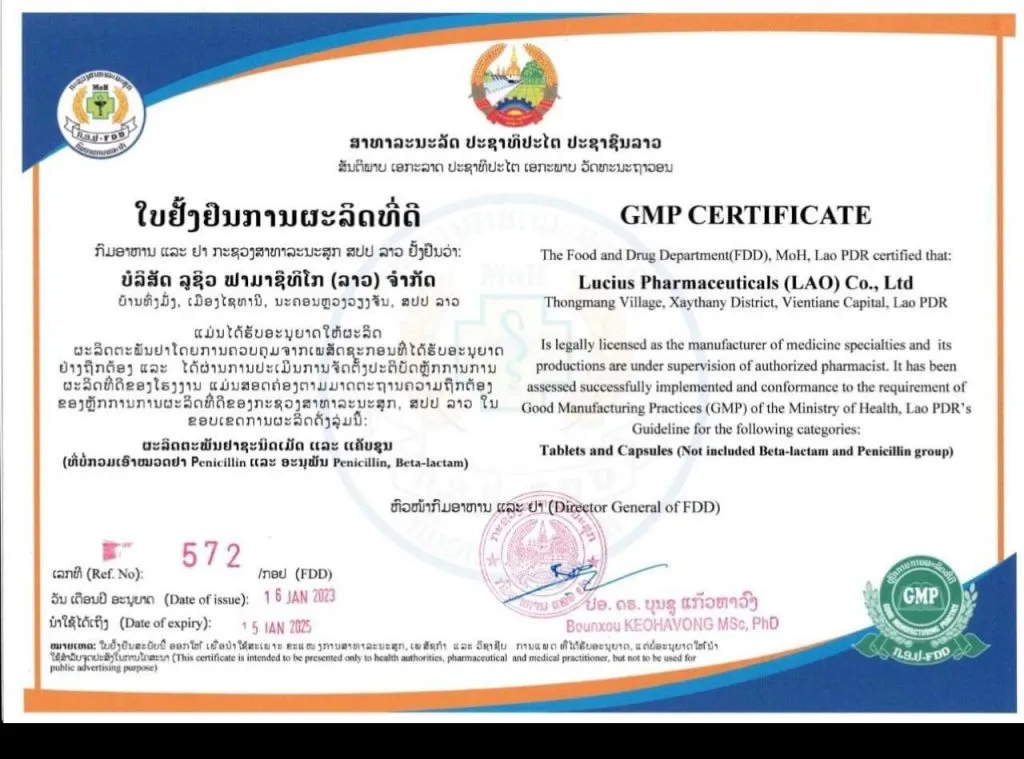
LUCIVOS is taken as a once-daily oral tablet, which allows many patients to receive treatment at home while staying connected to their medical team.