Subtotal
$0.00
Shipping
$0
Taxes
$0
Total
$0.00

The rectal cancer surgery is individualised with respect to tumour features and patients’ wishes. Enhancements, such as laparoscopic and robotic surgery, enable effective tumour resection with shorter convalescence. Knowing the process, the potential for a colostomy, and what to expect post-surgery prepares patients for recovery and a return to their regular routine.
According to Dr Abhishek Krishna, Consultant Radiation Oncologist at KMC Hospital, Mangalore, surgery is a cornerstone of treatment for rectal cancer. If you or a loved one has been diagnosed with rectal cancer, understanding the surgical options, how the procedures work, and what recovery looks like is essential.
In this blog, you will know the main types of rectal cancer surgery, including minimally invasive and robotic approaches, when a colostomy may be needed, and what patients can expect during recovery. By the end, you will have a clear picture of how these surgeries are performed, why they are necessary, and how they impact daily life after surgery.
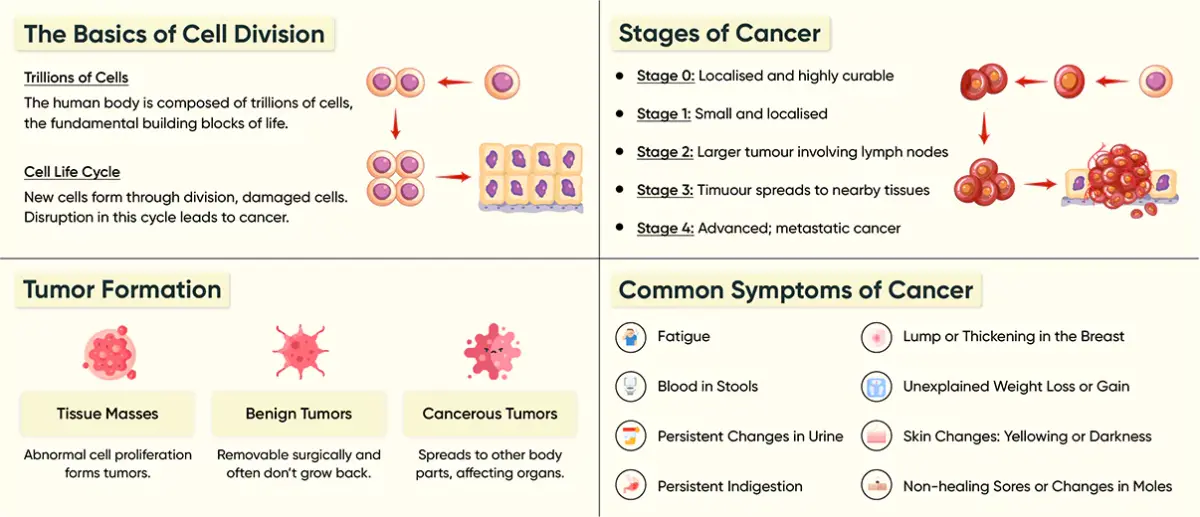
The surgical options to treat rectal cancer vary according to the tumour's location, size and stage, especially in relation to the sphincter muscles that control bowel function.
For example, when the tumour is high in the rectum and has not invaded the sphincter, the surgeon can perform an anterior resection. This procedure removes the tumour along with a small amount of normal tissue above and below it, then reconnects (anastomoses) the two ends of the colon, and possibly uses a temporary bag for a period of weeks, after which normal bowel function can return.
Various types of anterior resection exist based on the position of the tumour in the rectum: high, low, or ultra-low anterior resection.
When the sphincter is significantly involved by the tumour, the gland cannot be saved; therefore, the lower end of the rectum is closed, and the upper end is connected to a colostomy bag (an external-to-the-body pouch). The colostomy placed after rectal cancer-related surgery will create a functional bowel and prevent incontinence.
The main types of rectal cancer surgery include:
The choice of surgical approach, open, laparoscopic, or robotic, depends on the tumour’s characteristics and the surgeon’s expertise. Minimally invasive techniques reduce post-operative pain and shorten hospital stays, but open surgery is still commonly performed worldwide for certain tumours.
Depending on the type of surgery performed for rectal cancer, recovery time will vary. A temporary colostomy is typically reversed after several weeks; however, with a permanent colostomy, you will need to be trained to care for the colostomy bag and maintain proper hygiene. After receiving appropriate care, you should be able to resume your normal daily activities.
Rectal cancer treatment surgery is tailored to each patient’s needs. Modern techniques, such as minimally invasive, laparoscopic, and robotic surgery for rectal cancer, have improved outcomes and reduced recovery times. Whether a temporary or permanent colostomy after rectal cancer surgery is needed, patients can regain safe bowel function and resume a normal life with proper guidance.
Disclaimer: The information provided in this article is intended for general awareness and educational purposes only. It should not be considered a substitute for professional medical advice, diagnosis, or treatment. Always consult your doctor or a qualified healthcare provider with any questions regarding rectal cancer, surgical options, recovery, or post-operative care. Do not ignore professional medical advice or delay seeking treatment based on the content of this article. While insights are shared by Dr Abhishek Krishna, Consultant Radiation Oncologist at KMC Hospital, and are based on current medical knowledge, individual patient conditions, surgical outcomes, and recovery experiences may vary. MrMed does not endorse or promote any specific hospital, product, or treatment unless explicitly stated.