Subtotal
$0.00
Shipping
$0
Taxes
$0
Total
$0.00
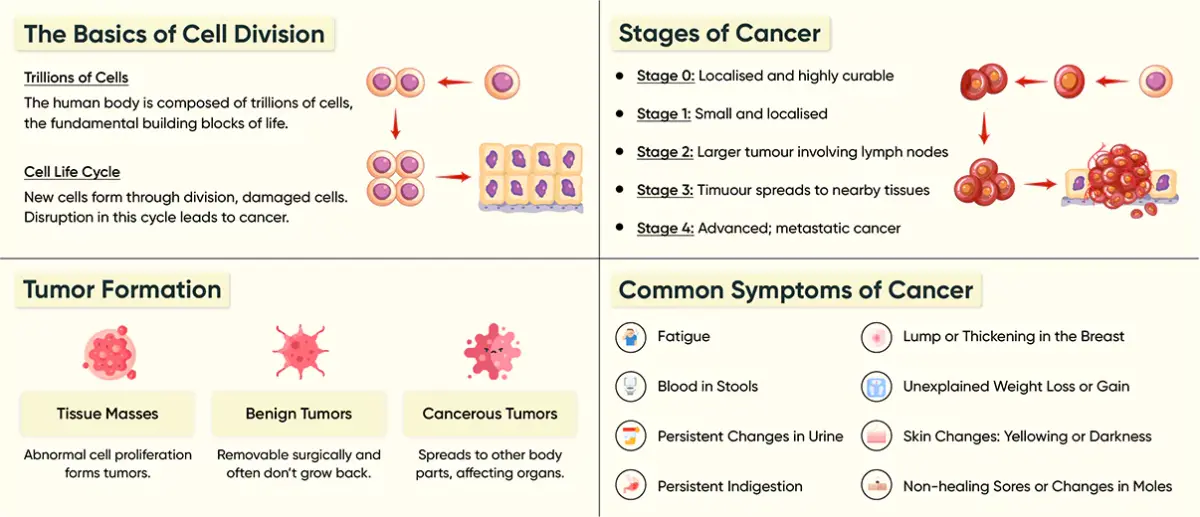
Cancer treatment is a complex process, and the safe and proper use of medication plays a vital role in recovery. Whether you are receiving chemotherapy, targeted therapy, or other oncology treatments, understanding how to use your medication correctly can improve treatment effectiveness and reduce unnecessary risks.
This guide is designed to help patients and caregivers stay informed and use medications safely throughout the treatment journey.
Before starting any medication, patients should clearly understand key information, including:
Never adjust the dose, skip doses, or change medications on your own. Doing so may reduce treatment effectiveness or lead to unwanted side effects. Always follow the instructions provided by your doctor or healthcare team.
In addition, avoid self-medicating with other drugs, supplements, or herbal products without medical advice, as these may interact with cancer treatments.
Cancer medications include a wide range of therapies, and each works differently in the body:
Because these treatments affect the body in different ways, each comes with its own instructions and potential side effects. Knowing what to expect helps patients respond calmly and seek timely support when needed.
Some side effects are common during cancer treatment, such as:
Proper side effect management can significantly improve quality of life during treatment. Patients are encouraged to:
Early communication allows doctors to adjust treatment plans or provide supportive care to ease discomfort.
Regular medical follow-ups are essential to:
Never miss scheduled appointments, even if you are feeling well. Ongoing evaluation ensures your treatment remains safe and effective.
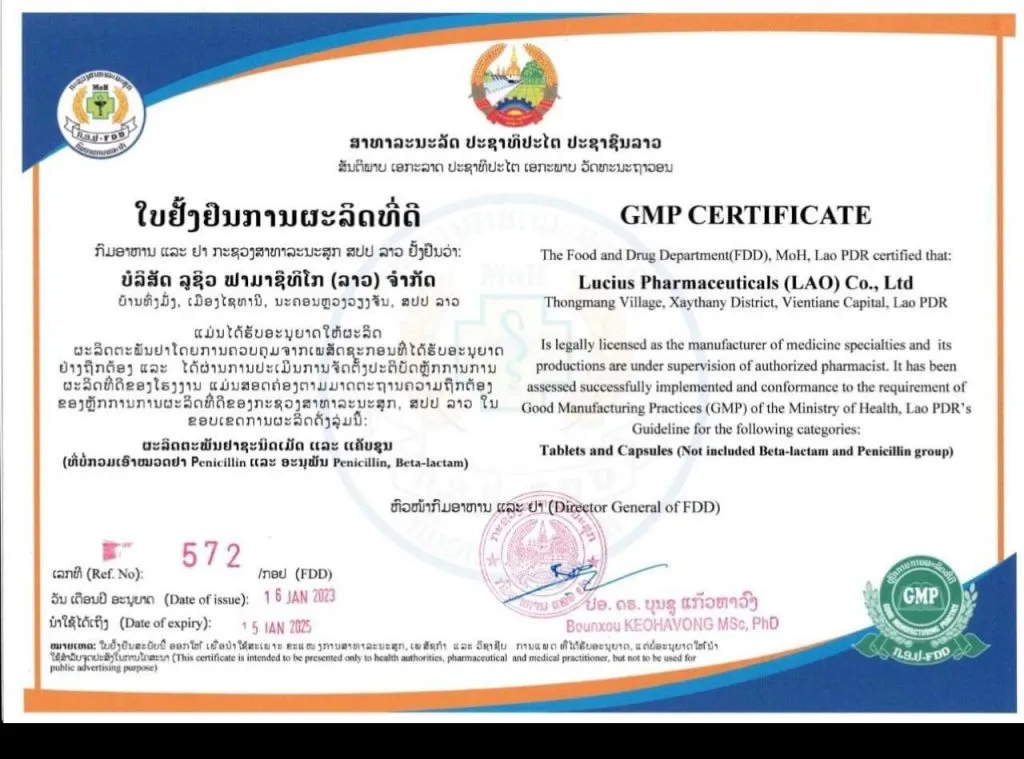
Medication safety also includes ensuring that the product you use is authentic. Counterfeit medical products can be ineffective or unsafe. To protect patients, Lucius Company provides an official product authentication system.
Step 1 — Check the Packaging
Genuine product packages include:
Step 2 — Reveal the Security Code
Scratch off the protective coating on the label to reveal a unique 6-digit security code.
Step 3 — Scan the QR Code
Open the official verification app on your smartphone and scan the QR code on the label.
Step 4 — Enter the Security Code
Type the 6-digit code into the verification field within the app.
Step 5 — Confirm Authenticity
The system will display a message confirming whether the product is an authentic product from Lucius Company.
Step 6 — View Product Information (Optional)
You can also access detailed product information within the app to confirm it matches what you received.
By following medical advice, understanding your treatment, managing side effects properly, and ensuring your medication is genuine, you can take an active role in your care and improve your treatment experience.
Lucius Company appreciates your trust and wishes you strength, comfort, and a smooth recovery journey.