Subtotal
$0.00
Shipping
$0
Taxes
$0
Total
$0.00
Diabetes treatment has long focused on insulin and trying to control blood sugar levels, but researchers are increasingly exploring potential biological causes of the disease. SerpinB2 is of interest because it could reduce inflammation and help protect pancreatic cells, both of which are related to the development of diabetes. While the research is in its early stages, it suggests a future in which treatment could focus on the condition's underlying causes rather than just its symptoms.
For decades, most diabetes care has focused on one central idea: controlling blood sugar with insulin or drugs that help the body use it better. This approach has saved millions of lives, but it does not fully solve the complex causes of diabetes. Recent studies now point to a new player, SerpinB2, that may change how researchers understand the disease.
This blog explains what SerpinB2 is, how it fits into modern diabetes research, and why it is being called a potential diabetes breakthrough in 2026.
SerpinB2 is a protein that has recently drawn attention in diabetes enzyme research.
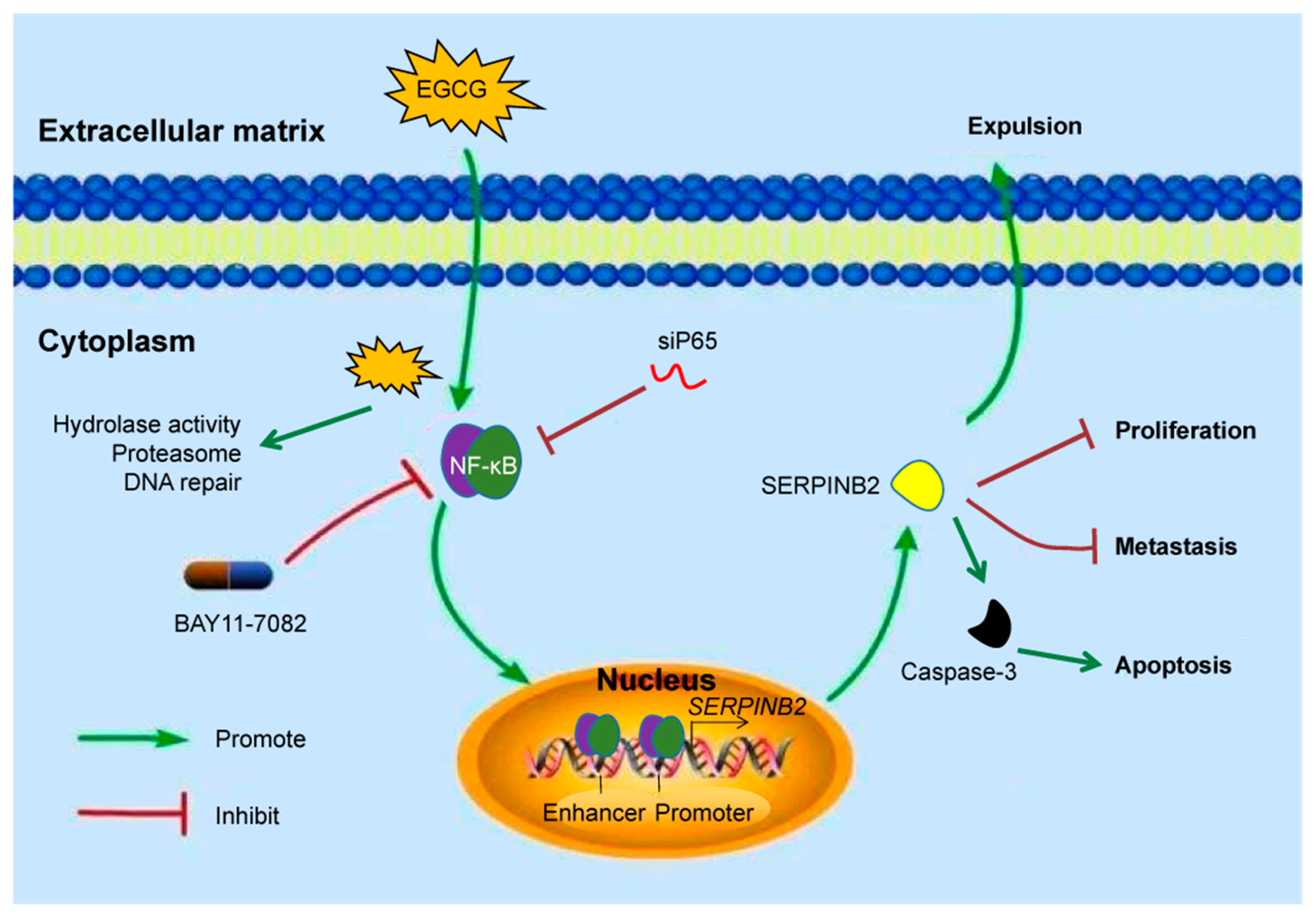
The SerpinB2 protein has been gaining recognition among researchers studying diabetes enzymes. Studies have shown that it could also affect the way the body responds to inflammation, stress on cells and insulin signalling. All these things are related to type 2 diabetes, where your body does not respond to insulin well. In addition, preliminary research on SerpinB2 suggests that it may improve glucose control and protect pancreatic cells.
Traditional diabetes treatment strategies focus on insulin, but researchers are also examining protein regulation in relation to the disease process in SerpinB2 studies. For this reason, labs worldwide are very interested in studying SerpinB2. Researchers believe SerpinB2 may help:
Researchers believe that:
As a result, research on SerpinB2 offers another approach to diabetes by targeting the biological mechanisms underlying the disease rather than focusing solely on blood sugar control.
A 2026 study in Nature Communications found that SerpinB2 helps protective immune cells in fat tissue survive. These cells reduce inflammation and support insulin sensitivity. When SerpinB2 levels fall, cells die off, inflammation rises, and insulin resistance worsens.
SerpinB2 might help halt diabetes, in part, by rescuing certain immune cells and dampening harmful inflammation throughout the body.
In type 2 diabetes, the fat tissue becomes inflamed over time. This inflammation can make it harder for the body to respond to insulin, leading to elevated blood sugar. SerpinB2, the researchers discovered, aids a team of beneficial immune cells that are able to survive within fat tissue. These cells have a protective function, suppressing inflammation and maintaining normal metabolic function.
When SerpinB2 levels are normal, these immune cells can continue doing their work. This means the body can be more responsive to insulin and become a better place for glucose to be used. But should SerpinB2 levels decline, those nicelike cells might vanish and cause inflammation.
In simple terms, SerpinB2 does not replace insulin. Instead, it helps create a healthier environment in the body so insulin can work better, which may slow the progression of type 2 diabetes.
SerpinB2 works through biological pathways, not as a replacement for insulin injections.
Traditional diabetes treatment focuses on either providing insulin or helping the body use it more effectively. This includes insulin pumps, oral drugs, and injections. SerpinB2 research, however, looks at how proteins affect inflammation and cell survival.
The difference can be understood in simple terms:
| Aspect | Insulin-based approach | SerpinB2-based approach |
| Main goal | Lower blood sugar | Improve cell function and inflammation |
| Type of therapy | Hormone replacement or support | Protein or gene-based therapy |
| Target | Glucose levels | Underlying disease pathways |
| Current status | Widely used | Under research and early trials |
So, scientists are exploring SerpinB2 as a potential future insulin alternative. The aim is not to remove insulin completely, especially in type 1 diabetes, but to create treatments that address deeper causes of the disease.
The practical insight is that SerpinB2 may be part of combined therapies rather than a single replacement.
Early studies suggest that SerpinB2 may protect cells involved in glucose control.
Recent Type 2 diabetes research has shown that higher levels of SerpinB2 may help reduce inflammation in insulin-sensitive tissues. Inflammation is one of the major factors that leads to insulin resistance and rising blood sugar levels.
Some experimental findings indicate:
These findings have placed SerpinB2 among the most talked-about topics in new diabetes drugs 2026. It is also being studied alongside other areas, such as glucagon research diabetes, and diabetes biomarkers research.
However, most of this work is still at the laboratory or early clinical stage. Large human trials are needed before it becomes a standard diabetes treatment.
The key point is that SerpinB2 shows promise, but it remains part of ongoing diabetes clinical trials in India and global research programmes.
SerpinB2 may support future therapies that reduce insulin dependence.
For people with type 2 diabetes, many new studies aim to improve the body’s own insulin response. If proteins like SerpinB2 help cells function better, patients may need less external insulin or fewer medications.
This idea is especially important in:
Scientists are exploring whether SerpinB2 can be used:
However, it is important to note that type 1 diabetes still requires insulin for survival. In this condition, the body produces little or no insulin, so protein-based therapies alone may not be enough.
The takeaway is that SerpinB2 may become part of a new generation of insulin alternatives, but it will likely complement rather than replace insulin entirely.
India is a major focus area for new diabetes research because of its rising disease burden.
The country has one of the highest numbers of people with diabetes in India, including type 2 diabetes, gestational diabetes, and even increasing cases of type 1 diabetes. This makes India an important site for diabetes clinical trials in India and new treatment studies.
New approaches like SerpinB2 could be relevant for:
Current treatment options in India include:
If SerpinB2 research continues to show positive results, it may become part of future treatment strategies, especially in combination therapies.
The main insight is that breakthroughs like SerpinB2 may help address the growing diabetes burden in India over the next decade.
Many scientific and practical questions remain unanswered before SerpinB2 becomes a treatment.
Although early findings are promising, several aspects of SerpinB2 diabetes research are still unclear. Most studies have been done in controlled settings, and long-term human results are limited.
Key unanswered questions include:
Researchers are also evaluating SerpinB2’s effect on other pathways, including glucagon signalling, how SerpinB2 interacts with other molecules involved in diabetes and what else has been identified as a potential biomarker for diabetes.
Over the next several years, clinical trials in humans should provide further information on the potential use of SerpinB2 as a treatment. For now, SerpinB2 is still considered an area of hope for future treatments of diabetes, but it is not approved for the treatment of diabetes.
The takeaway is that SerpinB2 is promising, but it is still in early-stage testing.
Diabetes research is moving towards a better understanding of the underlying disease mechanisms, focusing on SerpinB2 rather than just blood glucose management. Initial research suggests that SerpinB2 can protect cells, support glucose management, and reduce inflammation. Currently, SerpinB2 is not a substitute for insulin; however, it may be part of the next generation of insulin alternatives. As clinical trials of diabetes go on in India and globally, SerpinB2 may help shape the future of diabetes therapies. Following these changes can help clarify the shifting paradigm of diabetes management.
Disclaimer: The content in this blog is for general informational purposes only and is not a substitute for professional medical advice, diagnosis, or treatment. Always consult your doctor or a registered dietitian before making any changes to your diet, especially if you have a medical condition or are taking prescribed medication. While the information is based on trusted sources, individual needs and results may vary. MrMed does not promote or endorse any specific food or treatment mentioned unless explicitly stated.